


As part of the podcast series, “ArtsAbly in Conversation,” Diane Kolin interviewed Winnie Luk, the Executive Director of the Disability Screen Office.
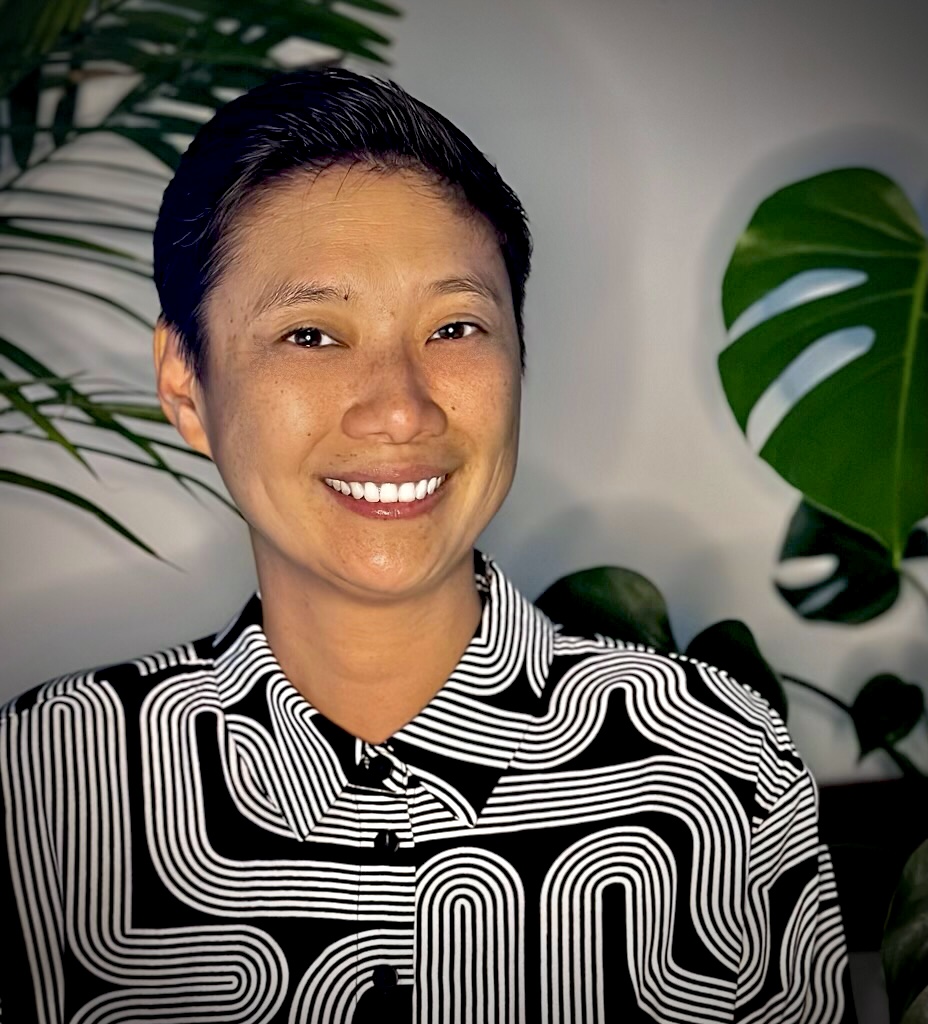
This post presents the resources that Winnie Luk mentioned during the conversation. The podcast episode 56 will be available soon.
Winnie Luk
Winnie Luk is a visionary senior leader with over 30 years of progressive experience and proven expertise in strategic planning, project and events management, human resources, financial management, fundraising, and team development working across non-profit, film, entertainment, and public sectors.
Winnie is the inaugural Executive Director of the Disability Screen Office (DSO). She has navigated various mobility disabilities throughout her life. Her lifelong encounters with mobility issues and work with the city fuel her passion for advocating for accessibility rights.
Prior to her role at the DSO, Winnie served for four years as the Managing Director of Rainbow Railroad, a charitable organization that provides support to LGBTQI+ individuals seeking a safe haven from state-sponsored or enabled violence. Before that, she was the Director of Operations and Events at Inside Out, the presenter of the annual Toronto and Ottawa 2SLGBTQI+ Film Festivals and was with the organization for 16 years. Winnie also worked with the City of Toronto for eight years in the Parks and Recreation Department where her work included supervising disability recreation programming.
Winnie is a member of the Advisory Committee for the Toronto Reel Asian International Film Festival, a member of the Advisory Committee for the CISF (Canadian Independent Screen Fund for BIPOC Creators), a Project Advisory Committee member for Independent Living’s Festivals and Events Accessibility Project, and a shareholder in Glad Day Bookshop, the world’s oldest LGBTQI+ bookstore. Other select organizations to which she has contributed as a senior volunteer include serving on the Board of Directors for ILGA (International Lesbian, Gay, Bisexual, Trans, and Intersex Association of North America and the Caribbean), the Board of Directors for Buddies in Bad Times Theatre, and the Selection Committee for the Community One Foundation.
Winnie graduated from the University of Toronto with a double major in Semiotics and Communications and Women and Gender Studies, and a minor in Cinema Studies.
Disability Screen Office (DSO)
In 2021, confronted with the challenges the disability community was facing in the Canadian screen industry, Accessible Media Inc. (AMI) brought together creators, writers, directors, and performers for a series of roundtable discussions. Their goal was to identify the barriers preventing equal access and authentic representation in the industry, and propose solutions to increase accessibility.
It became clear that no single policy or program could solve all the problems, so an idea started to take shape. What if there was an organization dedicated to breaking down those barriers and amplifying the voices of Canadians with disabilities in the screen industry?
Officially announced in April 2022, the Disability Screen Office was launched through a collaborative effort led by AMI with financial support from Telefilm Canada and the Canada Media Fund (CMF). The not-for-profit began its operations under the interim leadership of Andrew Morris and founding board members Yazmine Laroche, Sasha Boersma, Kenneth J. Fredeen, and Prasanna Ranganathan. It transitioned to a fully independent organization in September 2022 and, in June of 2023, Winnie Luk was appointed as DSO’s inaugural Executive Director.
Industry Resource Hub (DSO)
The Industry Resource Hub is a free, searchable platform developed by the Disability Screen Office to help professionals and emerging creatives in Canada’s screen sector find the tools, services, and spaces they need to support accessibility in their work. It was built in collaboration with disabled creatives as a direct response to what we’ve heard across the industry: people want to do better when it comes to accessibility, but they don’t know where to start. This tool helps change that by centralizing information and making it easy to act on.
The Hub simplifies the process of finding reliable, access-focused resources, whether you’re planning a shoot, hiring for a project, or looking to improve your team’s practices.
Learn more about the Industry Resource Hub
ArtsAbly is listed under Accessibility Providers > Access Coordinators, and Training Providers.
Visit ArtsAbly’s page on the Industry Resource Hub
Reframing Access (DSO)
Published in June 2026 in celebration of National AccessAbility Week, DSO’s new resource, “Reframing Access: A Best Practices Guide on Disability Inclusion in Canada’s Screen Industry”, features practical, step-by-step guidance on how to build accessibility into every stage of the production lifecycle, from development and hiring to casting, on-set processes, and post-production.
Read the Reframing Access document
Screen Festival Accessibility Program (DSO)
Festivals are a cornerstone of the Canadian screen industry. They serve as hubs where professionals connect, relationships flourish, deals are made, and audiences passionately engage with films and filmmakers. However, there are currently no guidelines to ensure accessibility at these events, meaning that most festivals exclude people with disabilities.
The Screen Festival Accessibility Program is designed to change that. This multi-year initiative will establish Canadian standards to make industry events accessible for all. We will work closely with festivals across the country to pilot and refine these standards through community engagement, research, training, and the publication of a best practices guide. We will also develop a framework to measure results and impact.
Their goal is to transform Canada’s festival landscape from coast to coast to coast and create a pathway for the disability community to engage in this essential part of the Canadian screen sector.
Learn more about the Screen Festival Accessibility Program
Industry Events Access Program (DSO)
The DSO’s Industry Events Access Program is designed to support disabled creatives by providing unique access to key industry events. We offer selected participants the opportunity to network, gain insights, and build connections that advance their career growth in the screen industry.
Learn more about the Industry Events Access Program
Inside Out – Toronto and Ottawa 2SLGBTQ+ Film Festival
Inside Out is a not-for-profit registered charity that strives to be a community leader in the elevation of films by and about 2SLGBTQ+ people of all ages, races, and abilities through promotion, production, and exhibition.
Rainbow Railroad
In countries around the world, LGBTQI+ people face violence and oppression simply because of who they love or who they are. Rainbow Railroad helps them get to safety. They help LGBTQI+ people facing persecution based on their sexual orientation, gender identity, and sex characteristics
As a result of Rainbow Railroad, more LGBTQI+ individuals can access lives free from persecution. Ultimately, we envision a world where LGBTQI+ people can live lives of their choosing.
Learn more about Rainbow Railroad
Canadian Media Producers Association (CMPA)
The Canadian Media Producers Association is Canada’s trade association for independent producers. We represent hundreds of companies engaged in the development, production and distribution of English-language content for TV, feature film and digital media channels.
The CMPA’s diverse membership produces an incredible variety of projects, from acclaimed indie films to animated kids’ shows—and everything in between. Have a favourite Canadian TV show? Chances are one of our members produced it. Those Canadian films getting all the hype on the festival circuit? Again, it’s more than likely you’re hearing about our members’ work.
They work on behalf of our members to ensure a bright future for domestic media production and Canadian content.
AMI (Accessible Media Inc.)
AMI is a Canadian content company that entertains, informs, and empowers persons with disabilities through the offering of original content that reflects diversity and inclusion.
AMI is a media company that entertains, informs and empowers Canadians with disabilities through three broadcast services—AMI-tv and AMI-audio in English and AMI-télé in French—and streaming platform AMI+. Our vision is to establish AMI as a leader in the offering of accessible content, providing a voice for Canadians with disabilities through authentic storytelling, representation and positive portrayal.
Listen to AMI’s audio programs
Kadon Douglas, BIPOC TV & Film
Kadon Douglas is the inaugural executive director of BIPOC TV & Film, a Toronto-based grassroots nonprofit organization advocating for greater equity for Black, Indigenous, and People of Colour professionals working—at all levels, in front of and behind the camera—in Canada’s film and TV industry. Kadon brings to BIPOC TV & Film a love for community engagement and over 10 years’ experience developing and implementing multi-channel marketing and community engagement solutions for non-profit organizations and media production companies in Canada. Prior to BIPOC TV & FILM, Kadon championed gender equity and inclusion in screen-based media at Women in Film & Television-Toronto (WIFT-T) as the manager of communications and engagement. At WIFT-T, Kadon was instrumental in the growth of the organization and bridged new partnerships with academic institutions and community organizations.
Learn more about Kadon Douglas
Kristy Assu, Indigenous Screen Office
Kristy Assu has gained experience in the Indigenous film and television industry, specializing in the areas of Project Management, Program development, Producing and Production Financing. She has worked as an independent Producer for APTN and has produced several documentary series covering issues ranging from access to clean drinking water in our communities to celebrating Indigenous Arts, Culture and language. She is an advocate for Indigenous rights and equality and is dedicated to ensuring the representation and inclusion of Indigenous people both on and off screen.
Joan Jenkinson, Co-Founder & Chief Executive Officer at Black Screen Office
Joan is the inaugural Executive Director of the Black Screen Office where she works to support the Black community to build their careers, strengthen their networks, and share their stories. She is helping to foster a unified front for Black Canadians working within screen industries, creating conditions for long-term success by addressing racial equality and inclusivity. Through advocacy, research, and career development programming she is working to positively impact Canada’s screen sector.
Learn more about Joan Jenkinson
Joy Loewen, former CEO of the National Screen Institute
As VP of Industry Development, Joy leads the development, design, and delivery of the Canada Media Fund (CMF)’s strategies to foster inclusion and drive industry growth.
Prior to joining the CMF, Joy served as CEO of the National Screen Institute, where she spearheaded the creation of professional development programs designed to serve and support underrepresented storytellers, including Access BIPOC Producers and the Disabled Producers Lab. She was also a founding member of the programming team that launched the Women’s Television Network (now W Network), and curated feature films for screening at the Gimli International Film Festival.
Banff World Media Festival
Banff World Media Festival is Banff’s international conference, marketplace and Rockie Awards, alongside the world’s top creators, producers, showrunners, talent, networks, studios, streamers, press and media companies.
The Festival and the Banff Television Festival Foundation (BTFF) have created and executed the largest industry diversity and equity initiatives in the world, having served more than 1000 opportunities to racialized and underrepresented professionals since 2018 via the Netflix-BANFF Diversity of Voices Initiative, the BANFF Spark Accelerator for Women in the Business of Media powered by Paramount+ Canada, and the Indigenous Screen Summit. We are working to effect change at scale, break down systemic barriers and reshape the Canadian media landscape into one that is more fair, equitable, and representative.
Learn more about Banff World Media Festival
Canadian Radio-television and Telecommunications (CRTC)
The Canadian Radio-television and Telecommunications Commission holds public consultations on telecommunications and broadcasting matters and makes decisions based on the public record. They have a wide range of responsibilities, including under the Telecommunications Act, the Broadcasting Act, the Online News Act, and Canada’s Anti-Spam Legislation (CASL).
Canadian Heritage
The Department of Canadian Heritage and its Portfolio organizations play a vital role in the cultural, civic and economic life of Canadians. Their policies and programs promote an environment where Canadians can experience dynamic cultural expressions, celebrate our history and heritage and build strong communities. The Department invests in the future by supporting the arts, our official and Indigenous languages, multiculturalism and our athletes and the sport system.
Learn more about Canadian Heritage
Telefilm Canada
Telefilm Canada is a Government of Canada Crown corporation that funds the development, production, promotion, and distribution of Canadian feature films and audiovisual content. It supports projects across various stages, including development, production, post-production, and marketing, in both the English and French markets.
Learn more about Telefilm Canada
Vancouver International Film Festival (VIFF)
VIFF is the home of film and film culture in Western Canada.
Driven by passion and curatorial excellence, VIFF encourages understanding of the world’s cultures through the art of cinema. We believe that film has a unique ability to celebrate the complexity of the human condition and that it is our responsibility to steward that power toward creating meaningful change in our world.
Founded in 1982, The Greater Vancouver International Film Festival Society is a not-for-profit cultural organization that operates the internationally acclaimed Vancouver International Film Festival (VIFF) and the year-round programming of the theatres at the VIFF Centre.
Toronto Reel Asian International Film Festival
The Toronto Reel Asian International Film Festival® is a unique showcase of contemporary cinema and work from Asia and the Asian diaspora. Works include films and videos by Asian-identifying artists in Canada, the U.S., Asia and all over the world. As Canada’s largest pan-Asian film festival, Reel Asian® provides a public forum for Asian media artists and their work, and fuels the growing appreciation for Asian cinema in Canada.
Founded in 1997 by producer Anita Lee and journalist Andrew Sun, this non-profit community-based festival has grown into an eagerly anticipated annual event that attracts thousands of attendees to 10 exciting days of galas, screenings, forums, workshops and parties.
Reel Asian is a not-for-profit charitable cultural organization that advocates for Asian representation through media arts.
Reel Asian is a proud member of the Independent Media Arts Alliance and is committed to paying industry-standard artist fees to artists, filmmakers & curators in all our initiatives.
Reelworld | Toronto | Film Festival | Screen Institute
Reelworld was founded in 2000 by award-winning actress and producer Tonya Williams to advance opportunities for Indigenous people and Canadians who are Black, Asian, South Asian and People of Colour in the screen industries by providing professional development and advocating for racial equity in Canadian content and production.
Reelworld Screen Institute, a non-profit, presents the acclaimed Reelworld Film Festival, which celebrates stories by Indigenous and racialized Canadians. The festival has expanded to include a two-day Summit to shine a spotlight on issues facing emerging and mid-level industry professionals across Canada.
Toronto International Film Festival (TIFF)
TIFF is a not-for-profit cultural organization with a mission to transform the way people see the world through film.
TIFF is dedicated to presenting the best of international and Canadian cinema and creating transformational experiences for film lovers and creators of all ages and backgrounds.
As Canada’s premiere home of cinema, TIFF offers screenings, lectures, discussions, festivals, workshops, events, professional development and opportunities to meet, hear and learn from filmmakers from Canada and around the world.
Prime Time – Canadian Media Producers Association
Canada’s leading industry conference for producers, leaders and decision-makers in the screen industry, with over 1,000 attendees, including Canadian and international producers, broadcasters, streamers, distributors, funders, unions/guilds, federal and provincial leaders, policymakers, and more, for three days of insights, connection and collaboration.
Ontario Creates
Ontario Creates is an agency of the provincial government whose mandate is to be a catalyst for economic development, investment and collaboration in Ontario’s creative industries including the music, book, magazine, film, television and interactive digital media sectors, both domestically and internationally.
Ontario’s screen, publishing, and music industries are a global success story. Collectively and individually, these industries are strong and growing, and make important contributions to the Province’s economy and cultural vitality. Ontario Creates is proud of the impact that our programs and services have had on building strong and successful companies across the creative industries, and in contributing to a high quality of life that makes Ontario an attractive jurisdiction for domestic and foreign investment.
Learn more about Ontario Creates
Indivisible
Indivisible is a nationwide movement of everyday people organizing on the ground in all 50 states to stop the rise of authoritarianism in the United States and to build a real democracy that works for all of us.
AccessCBC | CBC
Recognizing the barriers that Deaf and disabled creators face across the screen industry and understanding the importance of taking action to ensure that our industry is more accessible and inclusive, AccessCBC is a national CBC initiative for Deaf and disabled creators that will provide training, mentorship, and, on select projects, financing support to create scripted, documentary, podcast and kids content.
AccessCBC supports authentic storytelling by disabled creators, putting them in charge. This program’s understanding of disability embraces the definition, which is inclusive of visible and invisible disabilities, permanent, temporary, or episodic in nature, as defined by The Accessible Canada Act.
Disabled Producers Lab | National Screen Institute
The Disabled Producers Lab is a part-time, online program designed as a space for disabled producers marginalized by gender across Canada including, but not limited to, transgender women, cisgender women, transgender men, non-binary people and many other gender identities.
Up to five participants with a completed short film script ready to develop (up to 10 minutes or 10 to 11 pages) will work with specialists to create a production binder featuring a script breakdown, budget, accessibility plan and pitch.
This lab aims to strengthen the skills and knowledge required to be a successful producer and create systemic change within the production industry by fostering an environment where accessibility is at the forefront of production practices, challenging and reshaping industry norms.
Learn more about the Disabled Producers Lab
St. John’s International Women’s Film Festival (SJIWFF)
St. John’s International Women’s Film Festival is a trailblazer, not just as Canada’s longest-running women’s film festival but as one of the global pioneers in its domain. Unyielding in its commitment to advancing gender equity in the screen industries for over 36 years, SJIWFF has earned its esteemed position as a pivotal leader in the festival circuit, garnering growing accolades.
Driven by a bold vision, SJIWFF strives to forge an equitable film industry by elevating awareness of the profound contributions of women and gender-diverse artists to the craft and business of filmmaking.
Ophira Calof
Ophira Calof is a multidisciplinary artist and facilitator who works to “crip the script,” questioning defaults and centring disability knowledge and experience in both narrative and process.
As a writer and performer, Ophira is particularly drawn to stories that wrestle with contradictions, leading with humour and heart. Their credits include One More Time (CBC), Rubble and Crew (Treehouse TV), Shelved (CTV), Dino Dex (Amazon Prime), Wordsville (TVOKids), The 52 (Museum of Toronto) and their solo show Literally Titanium, which has been featured in both academic and performance spaces as a case study in accessible production.
Ophira also utilizes their word building and development skills in program design and sector innovation. They are currently a co-lead and creator of the Disabled Producers Lab, worked as the inaugural creative director for the Accessible Writers’ Lab, and supported the design and facilitation of several other programs including AccessCBC and the ReelAbilities Film Festival Toronto.